- The Harlem Neighborhood Block Association
- Posts
- Antonia Pantoja Changed the Lives of Nuyoricans
Antonia Pantoja Changed the Lives of Nuyoricans
She saw a need in East Harlem

HNBA Writers
March 13, 2026
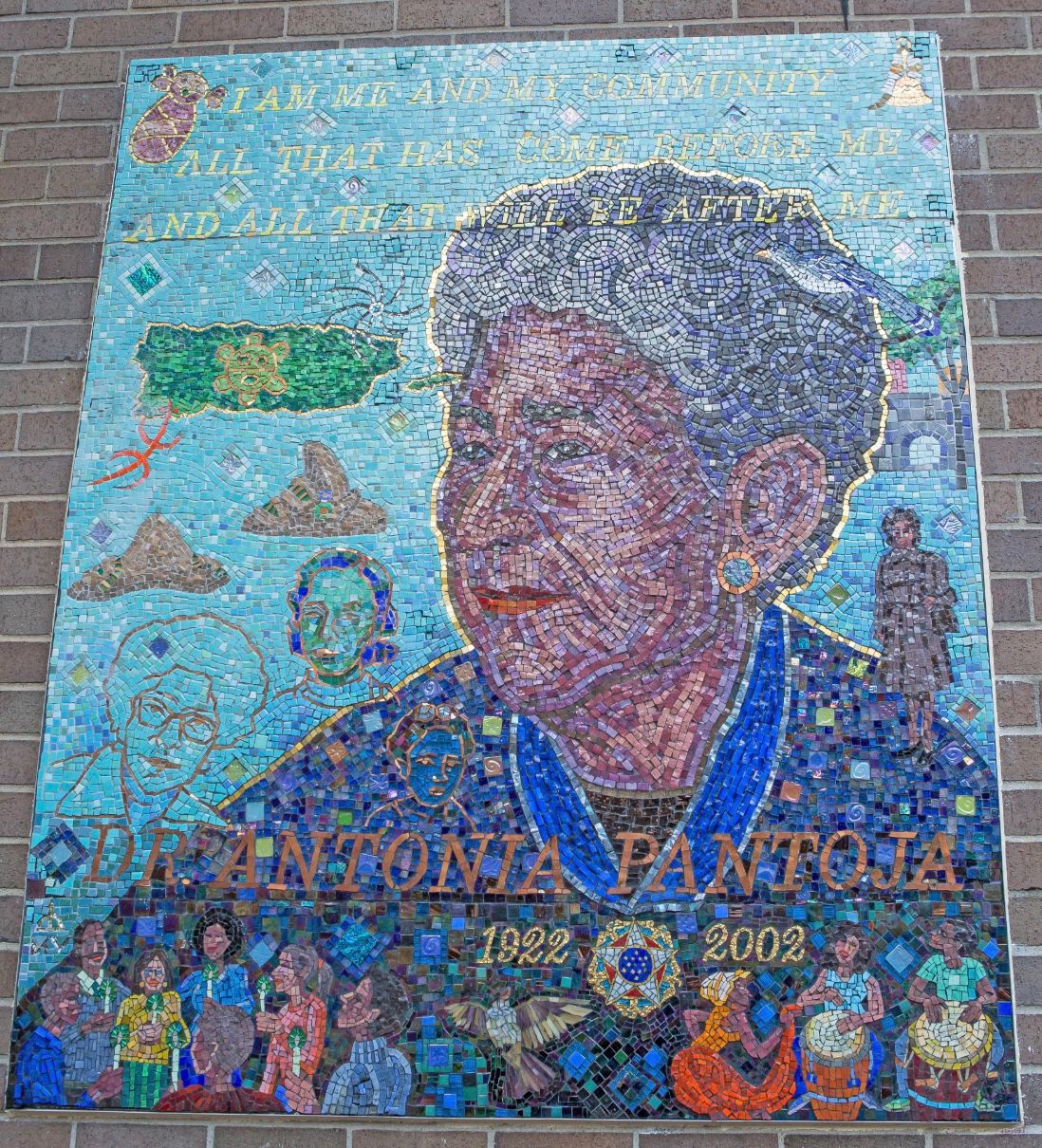
A mosaic at the Corsi Senior Center on East 116th Street in East Harlem of Dr. Antonia Pantoja by the acclaimed artist Manny Vega. An early study for it is in the collection of the National Portrait Gallery.
Antonia Pantoja Changed the Lives of Nuyoricans
Antonia Pantoja arrived in New York from Puerto Rico in 1944 when she was about 21 years old. After a brief time in the Bronx, she settled in downtown Manhattan, but the organizing work that would encompass her life soon brought her to East Harlem, the hub of New York’s Puerto Rican community.
From the mid-1940s through the late 1950s, Pantoja worked and gathered at a number of community organizations in East Harlem including the 110th Street Community Center, the Settlement House (104th Street between Third and Second Avenues) and the Good Neighbor building at 115 East 106th Street.
During this time she obtained a bachelor’s degree from Hunter and an MA in social work at Columbia. (She would later earn a doctorate from Union Graduate School, now Union Institute & University, in Ohio.) But crucially, she began to show the founding energy that would characterize her life.
Pantoja was the founding president of the Puerto Rican Association for Community Affairs (originally the Hispanic Young Adult Association) in the early 1950s, founder of ASPIRA in the early 1960s, and an integral force in conceiving and creating Boricua College in the early 70s.
ASPIRA is one of her lasting successes, spreading across the country and to Puerto Rico. Pantoja saw the aimlessness of youth in East Harlem and conceived of ASPIRA as an organizing body where young people of Puerto Rican heritage could find community and develop pride in their culture and the region of their parents, while learning how to thrive in their schools, the neighborhood and society.
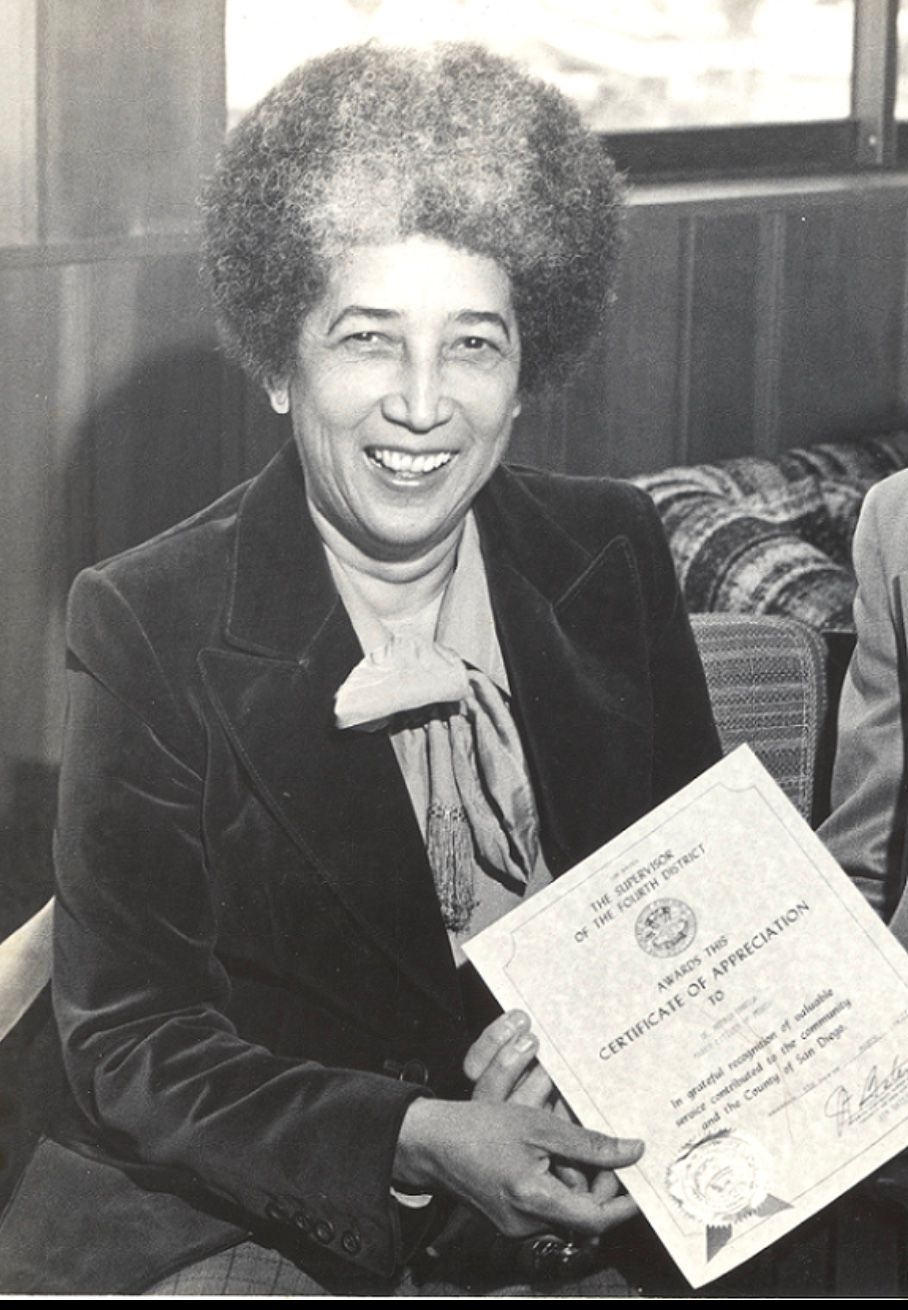
Photo of Antonia Pantoja from the archives at the Center for Puerto Rican Studies Library at Hunter College
She was one of the main forces behind Boricua College (originally called Universidad Boricua) which she envisioned in the tradition of other community-driven colleges like D.Q. University, Nairobi College, Aztlan, Malcolm X College, Oglala Sioux Community College and Sinte Gleska College Center. Pantoja infused it with her start-up energy before passing the mantle to Victor Alicea, the first and current president, in 1973.
Pantoja moved back to Puerto Rico for a time and continued to work as an organizer, but in 1999, she returned to live for good on 110th Street, the same street where she began her organizing career.
Pantoja lived with her life partner, a scholar and daughter of Harlem, Wilhelmina Perry, who with Pantoja, was an active organizer in New York and Puerto Rico, and a stalwart advocate of gay and lesbian rights.
Pantoja died of cancer in 2002. Perry, an accomplished professor, has continued the work they began together.
Antonia Pantoja recounted her remarkable life in the book, Memoir of a Visionary. A short video about Pantoja’s life and work is available here and her papers are housed at the Center for Puerto Rican Studies Library and Archives at Hunter College.
ER/KD
Reply